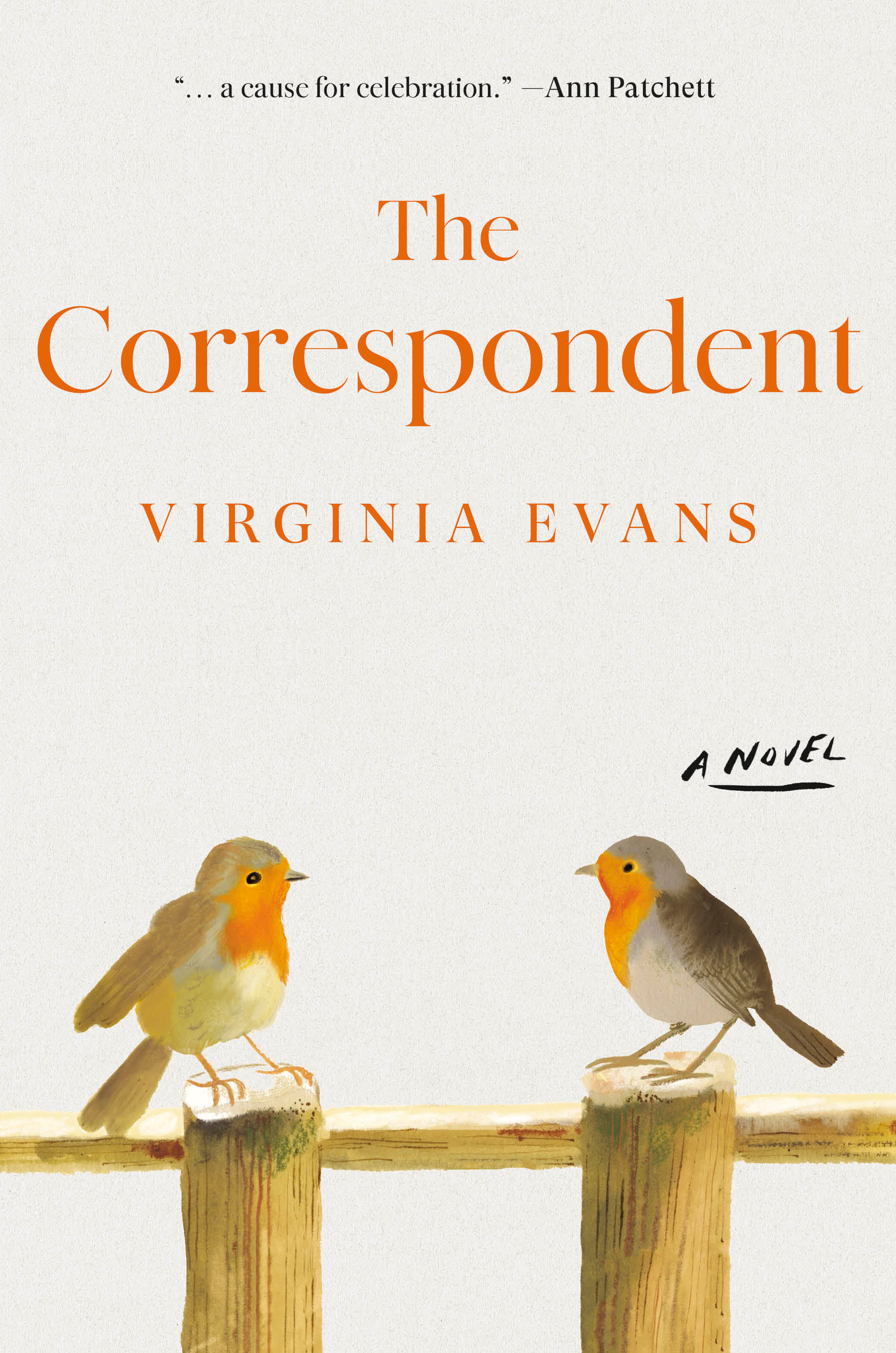
The premise (spoiler-free)
Let me start by saying: I haven't read a book I considered a true 4 stars in a while!
The Correspondent is told entirely through letters — most of them written by Sybil Van Antwerp, a sharp, strong-willed woman in her seventies who has always made sense of her world through writing. Through her correspondence with family, friends, neighbors, and even the authors of the books she reads, a whole life slowly unfolds on paper: its loves, its regrets, and the things she's never quite managed to say out loud.
I went into this book not knowing quite what to expect, only that others had loved it so, and was surprised by how much this quiet, simple story stayed with me. On the surface, the storyline feels uncomplicated — yet somehow Virginia Evans creates something deeply engaging, heartfelt, and full of warmth.
"Remember: words, especially those written, are immortal."
What I loved
This book reminded me of the beauty and power of putting thoughts onto paper. It genuinely inspired me to put more pen to paper myself — and to remember that the unpublished words we leave behind can be a legacy of their own. There's something gorgeous about the way the written word connects us to others, and even to ourselves.
And maybe that's this book's quiet superpower: it may just remind you to truly correspond with the people in your life — not in emojis and chopped-up GIFs, but in real words, thoughtfully chosen — and to listen with the same care in return.
Be honest — when did you last write an actual letter?
What I loved most, though, is how this story made me reflect on my own mother-daughter relationship, and on the inevitable experience of aging. It nudged me toward a little more compassion, patience, and understanding in the relationships that matter. The characters felt human and relatable, and their reflections on life, love, regret, and forgiveness were incredibly touching.
I especially connected with Sybil's lamentations on grief — the way loss moves through her letters, sometimes quietly, sometimes all at once. One passage in particular has stayed with me:
“Grief shared, I think, can produce two outcomes. Either you bind yourselves together and hold on for dear life, or you let go and up goes a wall too high to be crossed.”
What wasn't for me
If you come to books for momentum, know this going in: this is not a fast-paced or dramatic read. There are no cliffhangers pulling you forward, and readers who need plot propulsion may find it slow. But honestly? The quietness is part of the charm — a gentle reminder that ordinary lives can hold extraordinary meaning.
Should you read it?
Yes — when you're in the mood for quiet. This is a book for slow evenings, for lovers of letters and character studies, and for anyone thinking about the words we leave behind. A beautifully tender read that warmed my heart and left me thinking about the stories we carry with us.
If you've ever kept a letter too precious to throw away, if you believe the best conversations happen on paper, if you've been meaning to call your mother, if you're needing a little inspiration to crack open that old journal, or if you simply need a book that feels like tea going cold beside you because you forgot everything else — then this, my dear correspondent, is for you. ✉️
FINAL RATING: 4 OUT OF 5 SPINES
Is The Correspondent on your radar?
Talk to me: Have you ever kept letters, journals, or notes from someone you love? And when's the last time you wrote to someone in full sentences — no emojis allowed? 💌